Ryan Li
Future structural engineer fascinated by why things stand, and why they fail.
Featured Project
From wondering how a beam gets replaced to a full 23-page drawing set
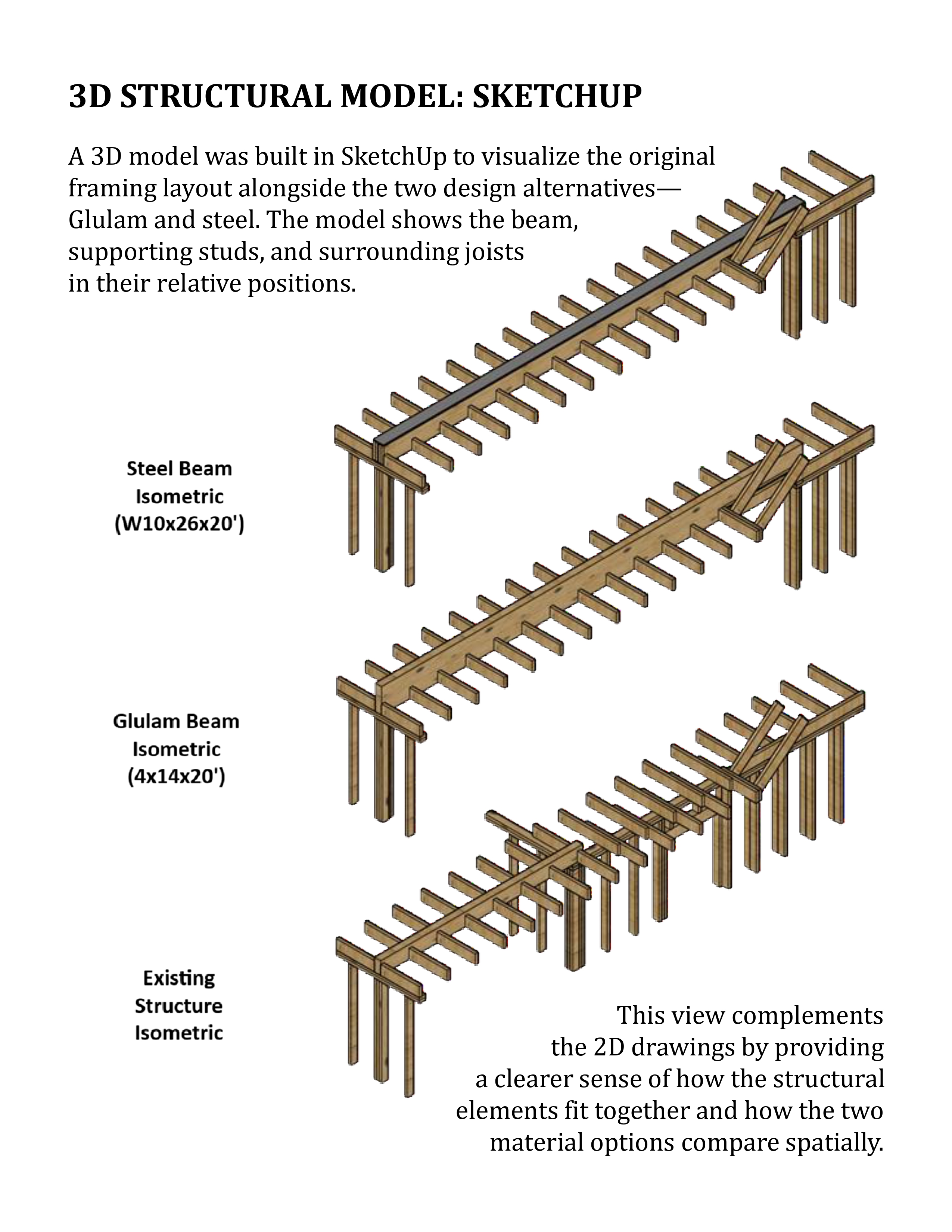
Replacing an 18'-10" Load-Bearing Beam
One question turned into a 23-page drawing set: What does it actually take to replace a load-bearing beam in a real home?
What I did
Why It Worked
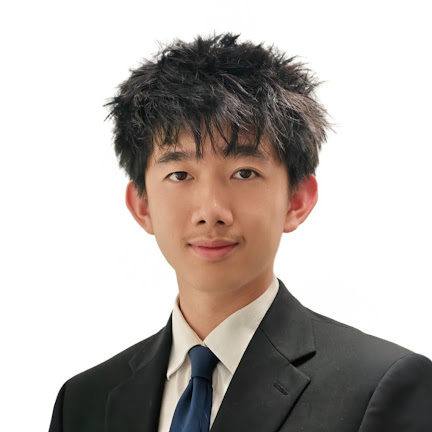
How I Got Here
How I Got Interested in Structures
Looking Up
Growing up in Wuhan, my mom would take me around the city and I'd spend the whole ride staring at the elevated highways towering overhead. The way the ramps widened, split, and curved away from the road deck gave me goosebumps every time. Near where I lived was the first major bridge over the Yangtze River, with its lattice-like truss and round stone pillars. I'd watch boats slide underneath while cars rushed across the upper deck and trains rumbled through the lower one. I didn't know the word "truss" yet. I just knew I couldn't stop looking.
Building What I Saw
When my family moved to the US, my parents bought me toys. Out of everything, I kept coming back to the train tracks. I'd build multi-level overpasses and spiral ramps that crisscrossed and looped around each other, recreating the infrastructure I'd seen from the bus in China. By preschool, I was more interested in building track structures than playing with anything else. I didn't have the words for it yet, but I was already trying to understand how things connected.
The First Project
By sixth grade, staring at structures wasn't enough anymore. I wanted to build them. I drafted my first chicken coop design on paper and built it using an old bed frame as the foundation. I researched permit requirements, drew up shed plans, and actually submitted them to the township's building department. The project didn't go through. The property line setback caught us. But the process of learning that I even needed a permit was a lesson in itself. Engineering is not only about making things stand but also doing all the background work such as getting plans approved and designing things to code.
Seeing Before Building
CAD and 3D modeling courses opened up a whole new dimension. I started converting every design into SketchUp models and uploading them to 3D Warehouse, where they've been downloaded over 400 times. AutoCAD let me draft building plans way faster than by hand. Sometimes a framing conflict or awkward connection jumps out immediately in a model but is almost invisible on paper. Being able to see the structure before building it changed how I thought about design.
Learning by Breaking Things
I've been building and breaking popsicle stick bridges for years. The first ones buckled under light loads. So I experimented with different truss layouts, reinforced the connections, and filmed every failure in slow motion. Then I realized the forces in each joint could be mapped and solved using the matrix techniques from my Linear Algebra class. Combining those calculations with stress, strain, and moment of inertia analysis, I could predict how a bridge would fail before I even tested it. The best ones held over 45 textbooks before collapsing.
Starting Out at UIUC
Now I'm a freshman at UIUC, studying civil engineering with a focus on structures. I'm involved with SEAOI, where I'm helping with outreach and finding ways to get more students interested in structural engineering.
I'm also looking for opportunities to work on real engineering projects. Most of my earlier work was self-directed, from building backyard structures to drafting a residential beam replacement. I want to learn what engineering looks like when there's a client, a budget, a team, and a deadline.
Outside of class, I've been learning Revit and getting involved in undergraduate research. With Professor Jinhui Yan, I've been developing computational tools for engineering simulations, and I've also started exploring shape memory alloys and 3D-printed concrete through the SMS Lab. It's a different side of engineering from drafting and building, but I'm interested in seeing how the pieces fit together.
Still Curious
I'm not entirely sure where all of this leads yet, and I'm okay with that. What I do know is that I enjoy figuring out why structures work, why they fail, and how they can be improved. That hasn't changed since I was five years old staring at a bridge out a bus window in Wuhan.
Looking back, the path is a little strange: train tracks to CAD to a 23-page drawing set to UIUC. None of it was planned. Each project simply led to the next question, and I followed it because I wanted to know the answer.
So that's where I am: a freshman at UIUC, still looking up at things, still asking why they stand.
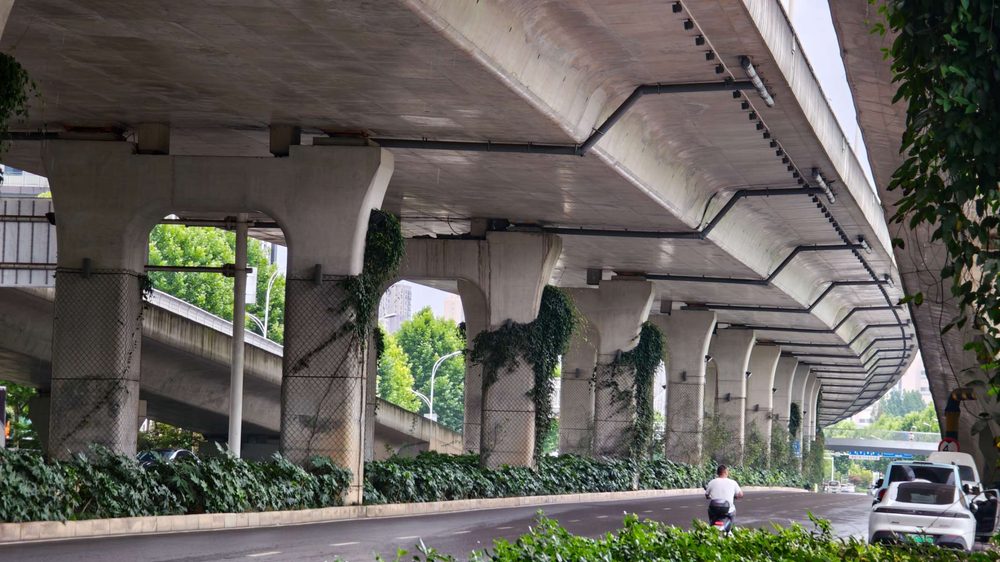
The elevated highways I'd stare at as a kid in Wuhan. Probably where all of this started.
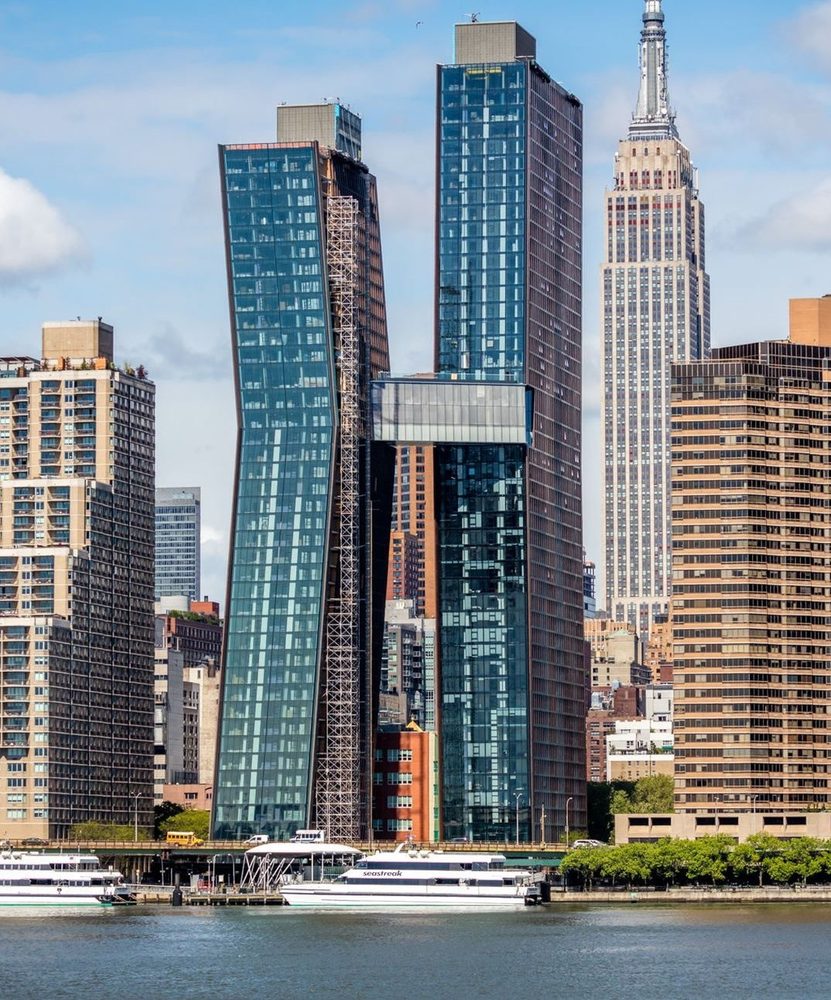
I'd walk past these after hearing appointments in New York. I always wondered how the towers could lean so much and how the skybridge stayed up.
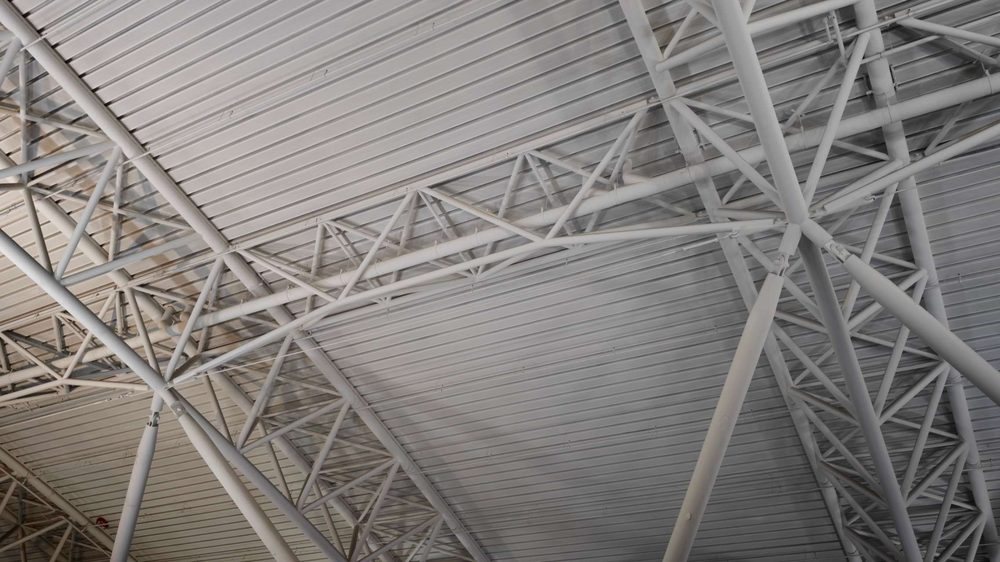
The roof trusses at JFK. The exposed tension rods and long spans always make me stop and look.
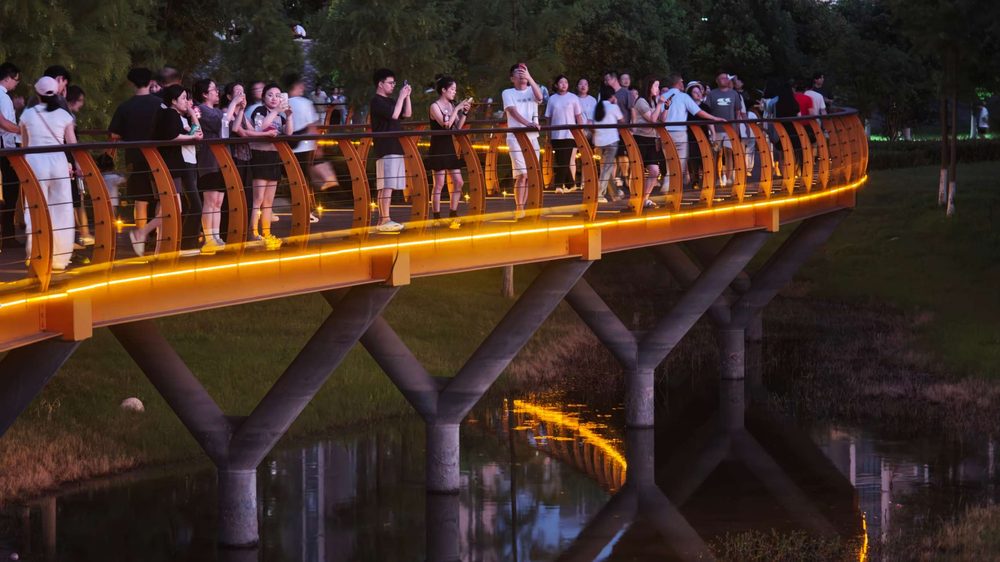
Most people notice the view. I noticed the structure underneath, there is a single post splitting into diagonal supports to hold up the walkway. Wouldn't some imbalance cause it to just topple over?
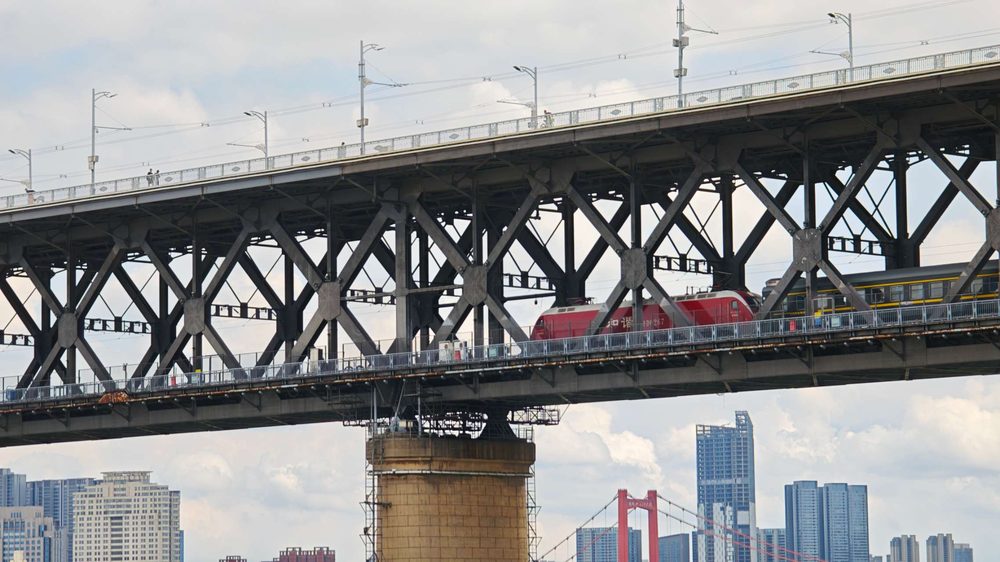
The bridge I'd always look at growing up. Trains below, cars above, and a truss I still can't help staring at.
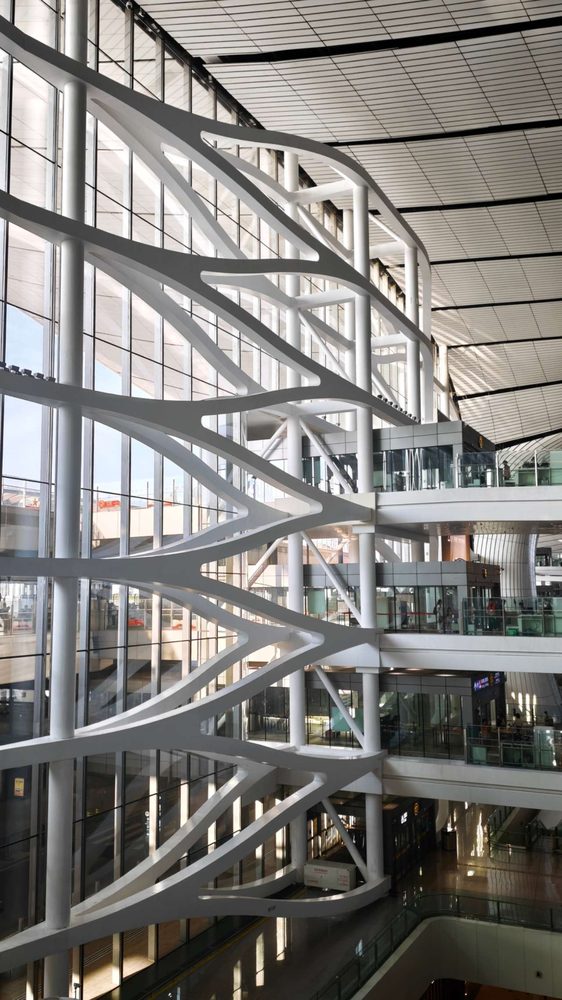
Newly built Daxing Airport. After getting over the incredible architecture, this was the first thing that caught my attention, the side supports that split and merge, holding up the glass façade and roof. I'd never seen anything quite like them.
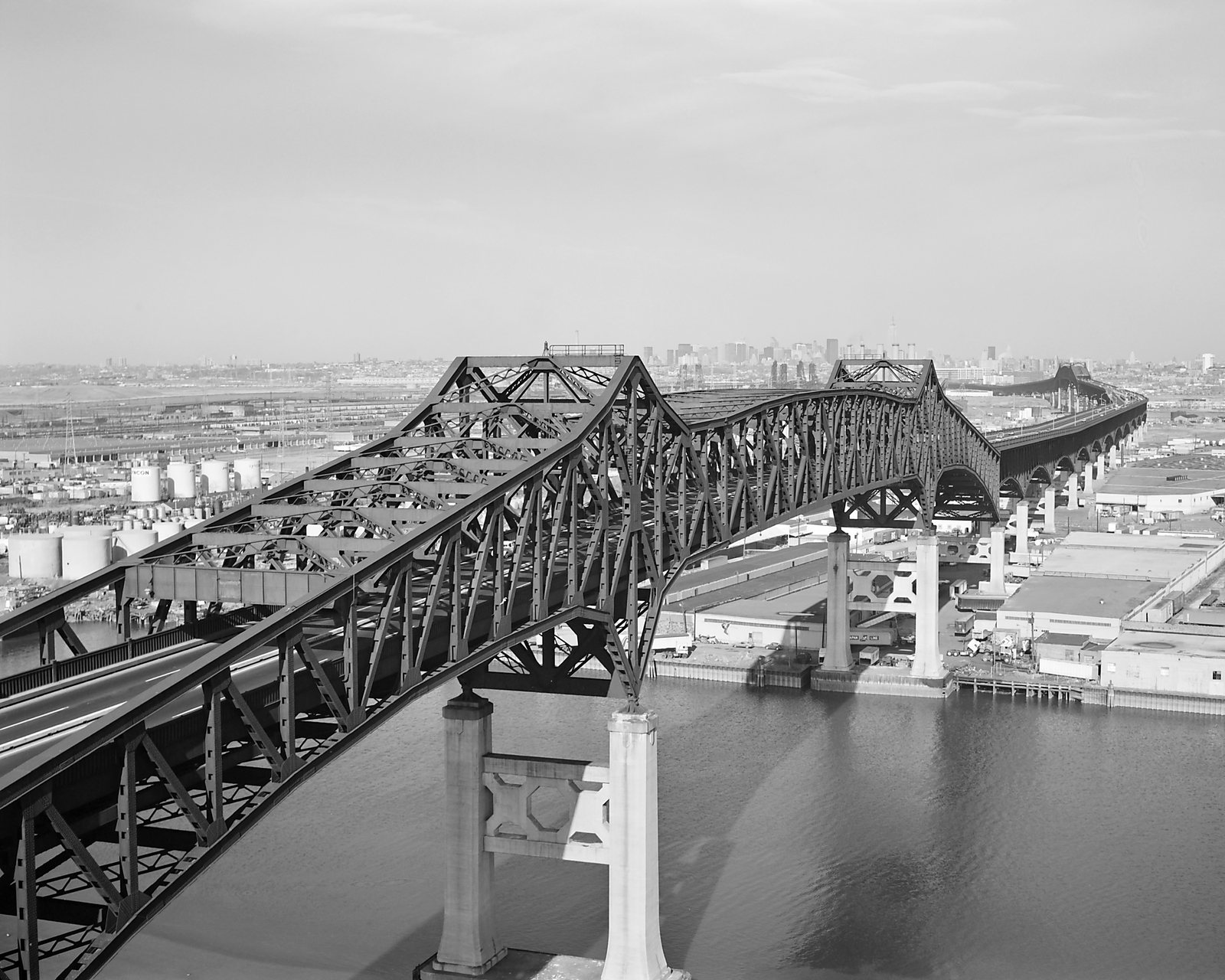
Before 2014, we'd drive over the Pulaski Skyway into New York City. Now I usually pass underneath it, and honestly the massive trusses and steel columns are even more impressive from below.
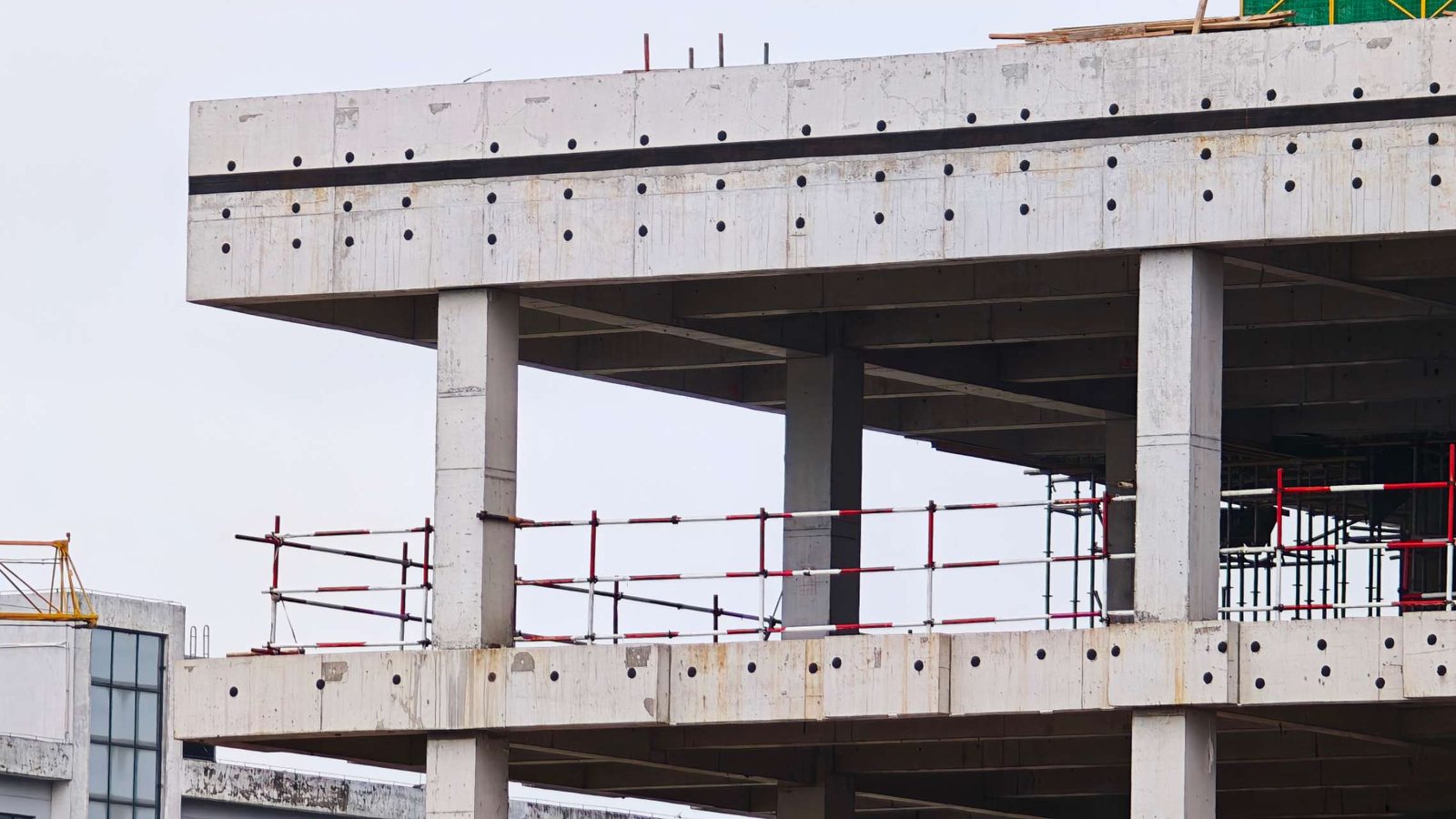
A construction site I walked past. I couldn't help wondering why the side walls had those evenly spaced black holes, they looked too regular to be random, so I figured there had to be an engineering reason.
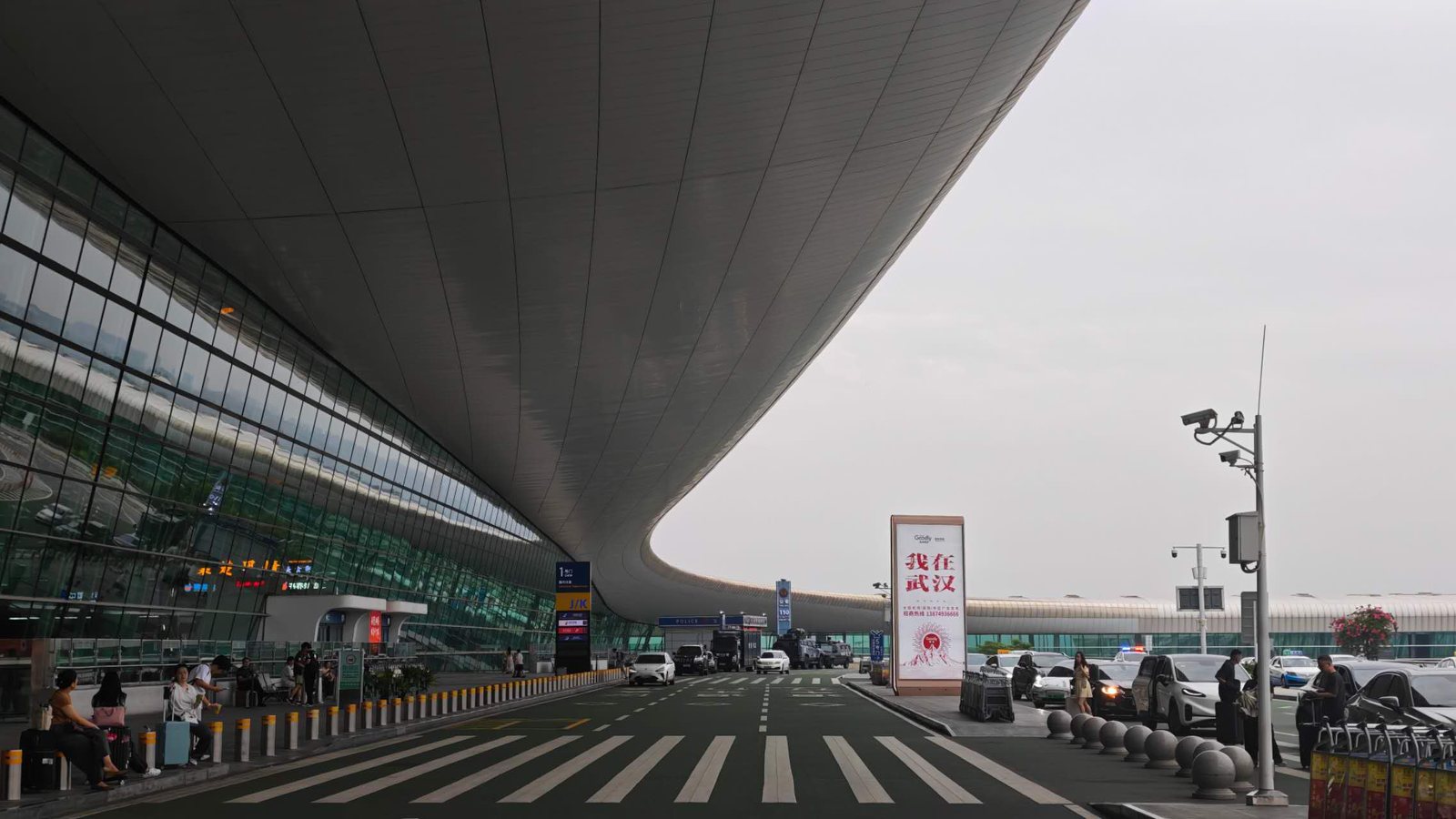
That cantilever at Wuhan Tianhe Airport is enormous. My first thought wasn't the architecture but rather it was wondering how massive the trusses behind it must be.
More Projects
Competitions, experiments, and builds that came out of an interest in structures
Work Experience
Research positions, lab work, and professional exposure
Leadership Experience
Organizations I founded, led, and helped build
Community Involvement
Tutoring, volunteering, and service
Let's Talk Engineering
Research, internships, and projects
Thanks for stopping by.
Building this website gave me a chance to look back at projects I hadn't thought about in years, from train tracks and backyard structures to research labs and engineering competitions. Looking through everything reminded me that a lot of what I've learned started with simple curiosity and a willingness to try things, even when I didn't know exactly what I was doing.
I'm still figuring out what kind of engineer I want to become, but I'm excited to keep learning, take on new projects, and see where the next few years lead. Thanks for taking the time to explore some of the experiences that got me here.
If anything on this site catches your interest, feel free to reach out. I'm always happy to talk about undergraduate research, internships, structural engineering, bridges, or a project you're working on.